
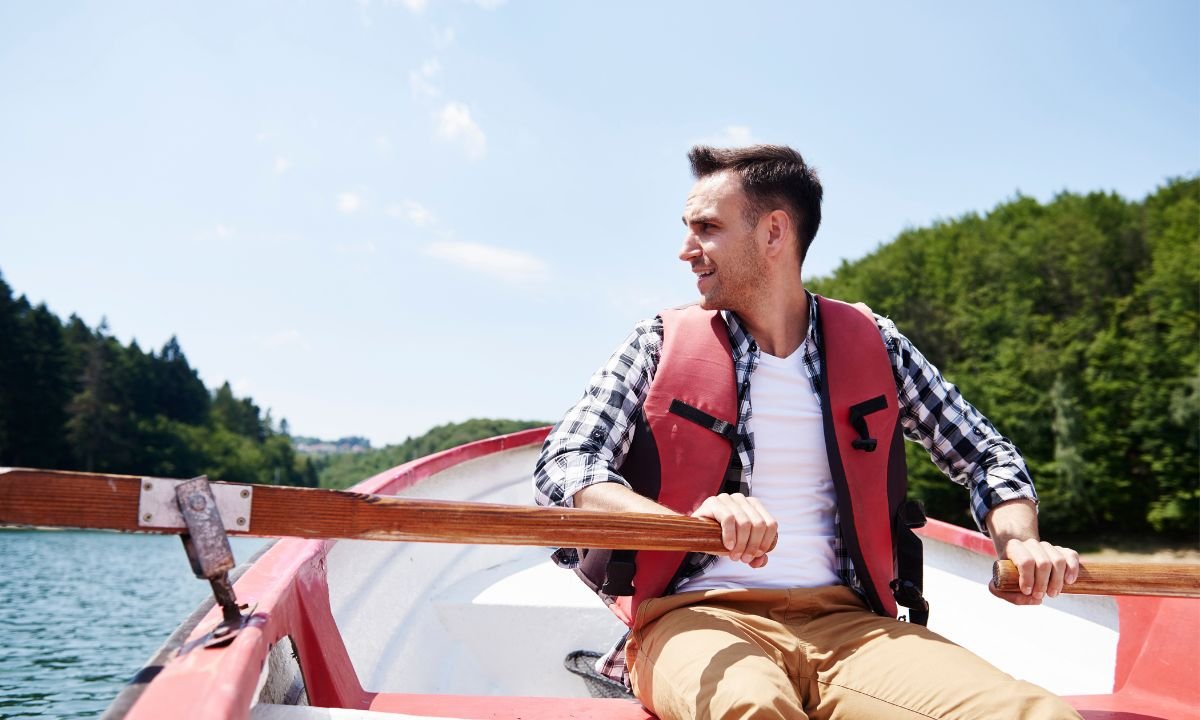
Ever had one of those moments where time just… stops? Where your to-do list evaporates and the only thing that matters is the gentle lap of water against the hull and the slow, steady rhythm of your own breath?
Yeah, me neither. At least, not until I experienced my first true veneajelu.
Now, you might be scratching your head at that word. It looks complex, a typical Finnish jumble of vowels. But its meaning? It’s breathtakingly simple and profound all at once. Veneajelu (pronounced roughly VEH-neh-ah-yeh-loo) translates simply to “boat trip.” But to call it that is like calling a five-star meal “food.” It completely misses the point.
In Finland, a nation forged by water and forest, a veneajelu isn’t just an activity. It’s a state of mind. It’s a cultural institution, a form of meditation, and a cherished social ritual all rolled into one. It’s about the journey, not the destination—the connection, not the conquest.
So, grab a cup of coffee (or perhaps something stronger), and let’s set sail into the heart of what makes this Scandinavian tradition so utterly captivating.
What Exactly Is a Veneajelu? Unpacking a Cultural Keystone
If you picture a high-speed powerboat cutting through waves, you need to erase that image immediately. That’s the antithesis of the veneajelu ethos.
At its core, a veneajelu is a leisurely, mindful journey by boat, designed specifically for relaxation, exploration, and bonding with companions. It can be a silent, solo morning row on a glassy lake as the mist rises. It can be a multi-day adventure with friends, hopping from island to island in the Baltic archipelago, fishing for your dinner. It can be a family outing with a picnic basket, where the goal is simply to find a secluded spot to swim and brew coffee over an open fire.
The soul of veneajelu is in its intentional slowness. It’s an active rejection of the modern world’s frenzy. There’s no “performance” or “extreme sport” here. It’s about harmonizing with the environment, not dominating it.
You see, Finland isn’t just a country with lakes; it’s a country of lakes. With over 188,000 of them, water is the nation’s lifeblood. The Finnish relationship with these waterways isn’t recreational in the fleeting sense—it’s deeply ancestral. For centuries, boats were the primary mode of transport, trade, and connection. That historical practicality has gracefully evolved into a form of modern recreation, but the deep respect for the water remains.
It’s this historical context that elevates a simple boat ride into a veneajelu.
Why the World Needs More Veneajelu: The Unspoken Benefits
We’re all drowning in digital noise, aren’t we? Our pockets buzz with notifications, and our minds are constantly multitasking. The true magic of a veneajelu is its power to forcibly disconnect you from all that. It’s a digital detox on the water.
But the benefits go far beyond just unplugging. Let’s break them down:
- Mental Reset (The “Blue Mind” Effect): Marine biologist Wallace J. Nichols coined the term “Blue Mind” for the mildly meditative state we fall into when near, in, on, or under water. A veneajelu is a direct injection of this. The rhythmic motion of the boat, the sound of water, the vast expanse of blue… it triggers a flood of feel-good hormones like dopamine and serotonin. It’s a natural anti-anxiety treatment, and honestly, it’s not talked about enough.
- Deep Social Bonding: Think about it. On a boat, you’re present. There are no screens to hide behind. Conversations flow more naturally. You work together to row, to navigate, to set up camp. You share the silence, too. This shared, focused experience forges connections in a way a noisy bar or restaurant simply can’t.
- A Unique Lens for Exploration: Finland’s famous archipelago—the world’s largest—is a labyrinth of over 50,000 islands. The best way, hell, the only way to truly explore it is by boat. A veneajelu grants you access to hidden coves, private rocky beaches, and untouched fishing spots that are completely inaccessible by land. It’s your backstage pass to nature’s greatest show.
- Physical Activity in Disguise: Don’t tell anyone, but it’s actually exercise! Whether you’re rowing, paddling a kayak, or even just hauling supplies, a veneajelu engages your body in a low-impact, functional way. It’s movement with a purpose, not a chore.
Planning Your Own Perfect Veneajelu: A Realist’s Guide
Alright, so I’ve sold you on the idea. How do you actually do it? You don’t need to be a seasoned sailor or own a fancy yacht. The beauty of this pursuit is its accessibility.
First, Choose Your Vessel:
The boat you choose sets the tone for the entire experience. Here’s a quick comparison to help you decide:
| Vessel Type | Vibe & Experience | Ideal For | Effort Level |
|---|---|---|---|
| Rowboat (Soutuvene) | Traditional, silent, nostalgic. The classic Finnish experience. Pure, unadulterated connection with the water. | Solo contemplation, quiet fishing, short trips with a partner. | Moderate to High (You’re the engine!) |
| Motorboat (Moottorivene) | Exploration, covering distance, access to remote areas. Great for fishing and island hopping. | Families, groups, multi-day trips with gear. | Low (Once it’s started) |
| Canoe or Kayak | Ultimate freedom and stealth. Lets you glide into the narrowest channels and shallowest waters. | Solo adventurers, wildlife watching, fitness. | Moderate |
| Sailboat (Purjevene) | Romantic, skillful, and dependent on the wind. It’s about the journey and the art of sailing itself. | Those with some experience, couples, peaceful group trips. | Variable (Low to High) |
My personal favorite? The humble rowboat. There’s something almost sacred about the sound of the oarlocks dipping in and out of the water. It’s the heartbeat of a traditional veneajelu.
Gearing Up (The Finnish Way):
You don’t need much, but what you do need is crucial.
- Life Vests: Non-negotiable. Everyone wears one. Full stop.
- The Essentials: A good map (even if you have GPS), a waterproof bag for your phone and keys, sunscreen, and insect repellent (this is Finland, after all—the mosquitoes are… enthusiastic).
- The Ritual Items: This is key. A thermos of hot coffee and a pack of munkki (Finnish doughnuts) or pulla (cardamom bread) is the mandatory mid-veneajelu snack. For a longer trip, a portable gas cooker to brew more coffee and grill some sausages (makkara) is practically a law.
Finding Your Route:
Finland is blessed with countless marked water trails and public launching spots. A little research goes a long way. Start small—a protected lake or a coastal bay—before venturing into larger open-water routes.
The Unwritten Rules of Veneajelu: Etiquette on the Water
Finnish culture is built on respect—for people, for nature, and for peace and quiet. This extends to the water.
- Embrace the Silence: Keep noise to a minimum. That means no blaring music from a Bluetooth speaker. The soundtrack of your trip should be the water, the wind, and the birds.
- Everyman’s Right (Jokamiehenoikeus): This incredible right allows anyone to roam freely in nature, including on private land, as long as you don’t disturb or damage. You can pitch a tent on most shores for a night. But with this right comes responsibility: leave no trace. Take all your rubbish with you.
- Right of Way: Larger boats and ferries always have the right of way. Be aware of your surroundings and give them a wide berth.
- Respect the Wildlife: You’re a guest in their home. Observe from a distance.
Frequently Asked Questions
Q: Do I need a license to operate a boat in Finland?
A: It depends on the engine power. For motorboats with an engine under 5.5 kW (about 7.5 hp), no license is required. For anything more powerful, you’ll need a valid boat driver’s license. Always check the latest regulations.
Q: What’s the best time of year for a veneajelu?
A: The short Finnish summer, from June to August, offers the warmest weather and the famous midnight sun, allowing for magical late-evening trips. But early autumn (September) can be stunningly beautiful with its fall colors, and the water is still surprisingly warm from the summer sun.
Q: Is it safe for beginners?
A: Absolutely, if you use common sense. Start on a calm, small lake on a sunny day. Always check the weather forecast before heading out, and tell someone your planned route and return time. The water can be cold, even in summer, so safety first.
Q: Can I rent a boat easily?
A: Yes! Around popular lake districts and archipelago towns, you’ll find plenty of rental outlets offering everything from rowboats and kayaks to fully-equipped motorboats. It’s a very tourist-friendly activity.
Q: What if I can’t swim?
A: This is a non-issue if you wear a life vest. It should be snug and properly fastened. A veneajelu is a safe activity for non-swimmers as long as this one critical rule is followed.
Q: Is veneajelu only a summer activity?
A: Predominantly, yes. But a small, hardy subset of Finns enjoy ice-boating or simply walking on the frozen lakes in winter. The connection to the water is year-round, even if the form changes.
Q: How is veneajelu different from a regular boating holiday?
A: The difference is in the intention. A boating holiday might be about hitting a destination, partying, or water sports. Veneajelu is intrinsically about the experience of being on the water—the mindfulness, the simplicity, and the quiet appreciation of nature. It’s a subtle but profound distinction.
The Final Mooring: Your Turn to Cast Off
In a world that glorifies busyness, the Finnish concept of veneajelu is a quiet act of rebellion. It’s a reminder that some of the best things in life aren’t things at all—they’re experiences. They’re the feeling of the sun on your face, the shared silence with a good friend, and the profound peace that comes from gently rocking on the water, with nowhere in particular to go.
It’s not about the boat. It’s about what the boat allows you to do: to pause, to breathe, and to remember what actually matters.
So, what are you waiting for? The water is calm, the coffee is hot, and an adventure is calling. How will you plan your first veneajelu?
READ ALSO: Unlocking the Nightmare: A Deep Dive into the Guia Silent Hill Geekzilla
 Siam
Siam